

Continuous accountability
Representatives are accountable for every recorded vote, not just their overall record at election time.
Democracy between elections
Civica Public Voice extends representative democracy by giving constituents a continuous, informed, verified voice in congressional decisions between elections, within the existing legislative structure.
Why You Should Care
How much control do you really have over the decisions that shape your life, and how much is simply handed to you? Which feels better? Are you satisfied with the choices made at the top? Would you have made them the same way, if anyone had asked?
You probably can't name it. Not because it didn't happen, but because no one ever asked you. They never had to.
You pick your meals, your job, your doctor, your route home. Why do you hand over the decisions that affect your life the most, then complain when they don’t reflect your values?
One vote, for one person, who then casts thousands of votes you never see, on bills you never read, against deadlines you never set. Do you elect a representative, or a stranger whose judgment you trust in advance, on questions that don't exist yet?
Not a revolution. Just a record: a clear, standing, verifiable count of what citizens actually want, bill by bill, loud enough that ignoring it carries a cost. That's what we're building.
A single voice is noise. A million, counted and undeniable, is a mandate. The only thing standing between those two is whether you show up.
Representative democracy is strongest when the many can be heard between elections. Constituent Voice makes that voice verified, counted, and public.
Add your voice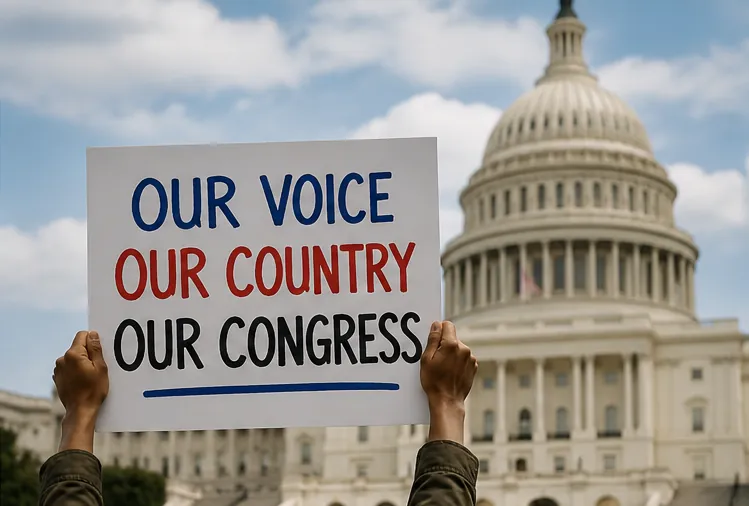
The Framework
Every recorded congressional roll-call vote is published with a Dissent button for eligible district constituents: a transparent public record, vote by vote.
Constituents act after the roll call closes. Any verified constituent can dissent on any vote from the current congressional session. Counts are visible once you commit, not before.
Every vote builds an ongoing public accountability record tied to the representative's term, a tally constituents can cite at election time.
When more than half of a district's eligible constituents dissent on a specific vote, that result is marked Majority Dissent, the strongest signal the platform produces.
Every rule behind this framework exists to protect the integrity of the count itself. See the full methodology for why.
Want to weigh in before a vote happens, not just after? See what is actively moving through Congress and contact your representatives about it on the Current page.
Outcomes
Representatives are accountable for every recorded vote, not just their overall record at election time.
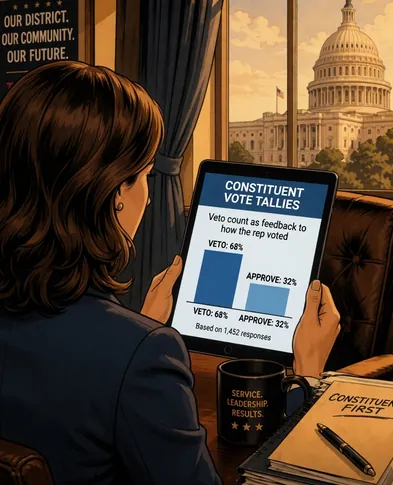
When constituent opinion is tracked vote by vote, representatives have an ongoing, quantifiable signal from their district.

Every eligible constituent gains a direct, verifiable way to register dissent between elections, without waiting two or six years.
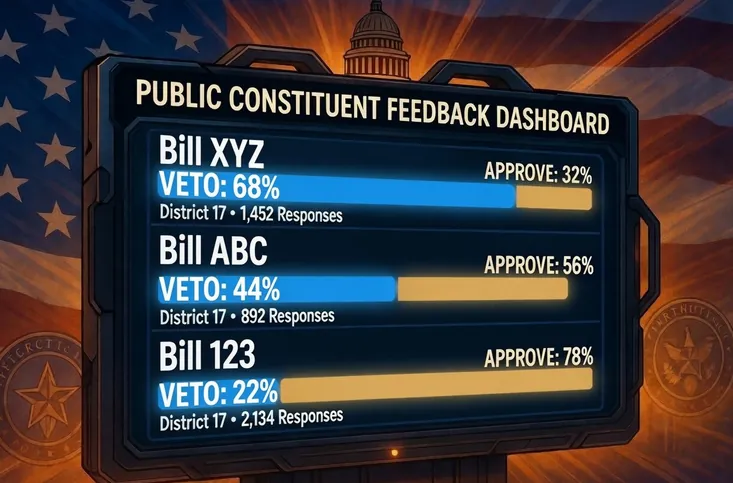
Each representative's Majority Dissent count alongside total floor votes (for example, "3 of 87") is published for every term. A concrete record to bring to election day.
A Different Kind of Feedback
| Election Day | Constituent Voice | |
|---|---|---|
| Frequency | Every 2 to 6 years | Every floor vote |
| Direction | Indirect | Direct |
| Feedback | Delayed until next election | Transparent: counts publish at window close |
| Signal | Bundled across all issues | Per-vote, per-representative |

Precedent
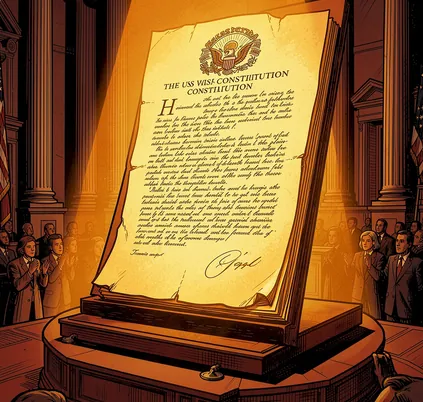
The presidential veto establishes dissent as a constitutional check on majority power. Constituent Voice extends the same principle from one executive to the constituents themselves.
Digital identity verification builds on existing voter registration systems to confirm district residency. No new government infrastructure required.
Constituents have always had mechanisms to signal legislative priorities outside the chamber. Constituent Voice formalizes and scales that tradition.
Integrity
Address-anchored identity is the backbone of integrity at civox.us. Every user declares their residential address, and those who validate it with a mailed confirmation code join a higher-trust layer of the platform.
Many voters share one address, so an address alone can't identify a single person. civox.us turns that reality into a community-driven integrity check: the residents already verified at an address help confirm new residents who register there. Postcard-verified residents are the trust anchor for each household. If a sign-up is ever in question, it is settled the strongest way we offer, by a code mailed to the address itself.
Every household becomes a micro-community of accountability. It's simple and brutally effective against fraud, because the verification comes from people who actually live there.

A Public Accountability Record
Each representative's record is published per term: total floor votes alongside Majority Dissent results.
Majority Dissent fires when the locked dissent count exceeds 50% of the district's eligible constituents. Counts publish publicly when the congressional session ends.

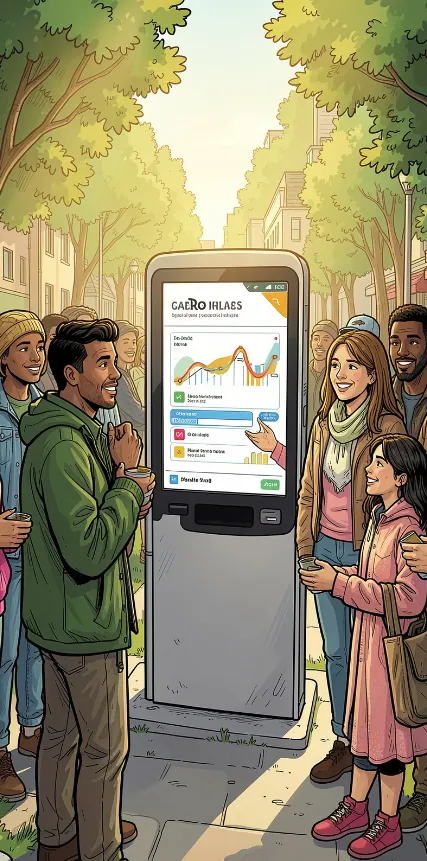
A Foundation Being Built
Constituent Voice begins as a public record: a transparent mirror of constituent opinion that representatives and voters can consult, cite, and act on. No constitutional amendment required to start.
If and when a binding form becomes politically possible, the same infrastructure shifts naturally from post-vote scorekeeping to pre-vote leverage. The foundation is being built now.